
Jekyll and Hyde Revision Guide
Struggling with Stevenson's Gothic classic? This guide covers the essential themes and character analysis you need to excel in your English Lit exam.
I remember sitting in a mock exam, staring at a prompt about the door in the first chapter of Robert Louis Stevenson's novella. I knew the story back to front, but suddenly the connection between the blistered, distained facade of the building and Hyde's own character felt out of reach. It is a common feeling when tackling the Strange Case of Dr Jekyll and Mr Hyde, but once you grasp the central concept of duality, the rest of the text begins to unlock. This jekyll and hyde revision guide gcse focus is designed to help you connect those dots between the Victorian setting and the internal struggle of the protagonist.
To succeed in your GCSE revision, you must understand the Victorian context that shaped the narrative. Readers in the 1880s were terrified of the idea of atavism — the theory that humans could regrow primitive, animalistic traits. Hyde is often described with simian or ape-like qualities to tap into this fear of de-evolution. When you are analysing the text, look for words like 'troglodytic' or 'snarled' to show how Stevenson uses language to separate the 'civilised' Jekyll from the 'primitive' Hyde. This is a core part of any effective set of study guides for English Literature.
Character analysis should focus heavily on Mr Utterson, our window into the mystery. He represents the ideal Victorian gentleman: reserved, rational, and obsessed with reputation. Stevenson uses Utterson to maintain the suspense, as his logical mind refuses to accept the supernatural truth until the very end. Comparing Utterson's rigid morality to Jekyll's hidden desires helps you discuss the theme of hypocrisy within the middle classes. If you find your class notes are a bit of a mess, you can upload your notes to Cramoo to turn them into structured flashcards for better retention.
Structure your essays by tracking the breakdown of social order. The novella moves from the public streets of London into the private, locked spaces of Jekyll's laboratory. This physical journey mirrors Jekyll's psychological spiral. Make sure your revision tips include memorising short, punchy quotes that link to these settings. For example, the description of the fog 'cutting off' the streets perfectly symbolises the way characters hide their true selves from society. Using our subject hubs can help you find more resources for specific Gothic tropes.
- Focus on the contrast between the light of the 'comfortable' hall and the darkness of the laboratory.
- Analyse how Dr Lanyon's death represents the failure of traditional science to explain Hyde.
- Identify how Stevenson uses the epistolary form (letters and documents) to create a sense of realism.
Finally, remember that the exam board loves to see you link the 'what' to the 'why'. Don't just say Jekyll is unhappy; explain that he is a victim of a society that demands total perfection, forcing him to create a 'mask' to indulge his vices. If you are also studying other nineteenth-century texts, checking out a A Christmas Carol Revision Guide might help you spot similar patterns in how Victorian authors critique their own era.
Frequently asked questions
Related reading
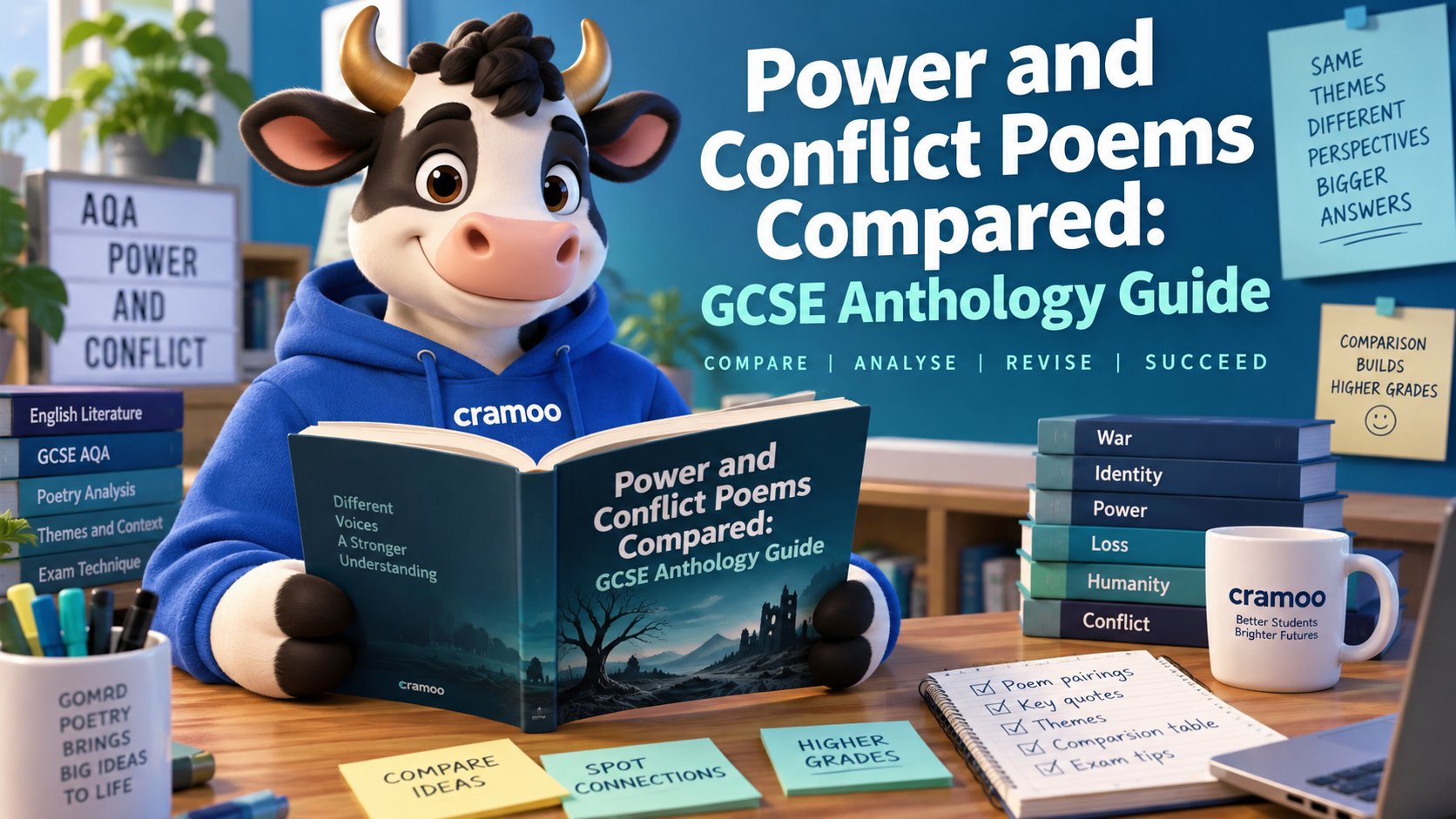
Power and Conflict Poems Compared: GCSE Anthology Guide
Comparison is the key to AQA Power and Conflict poetry. This guide breaks down the best poem pairings and provides a thematic comparison table for your revision.
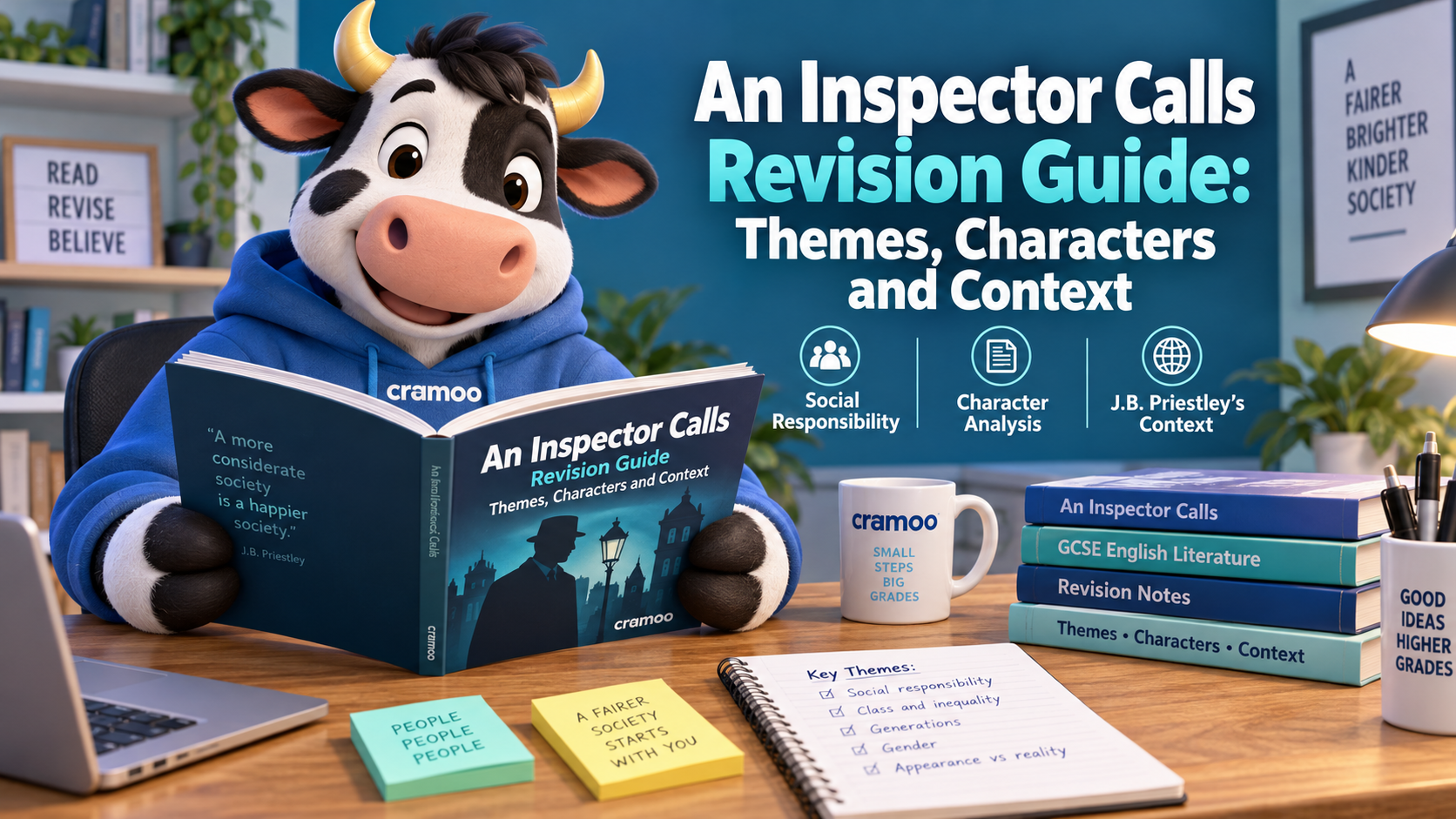
An Inspector Calls Revision Guide: Themes, Characters and Context
A comprehensive guide to An Inspector Calls for GCSE students, covering key themes of social responsibility, character analysis, and J.B. Priestley's context.
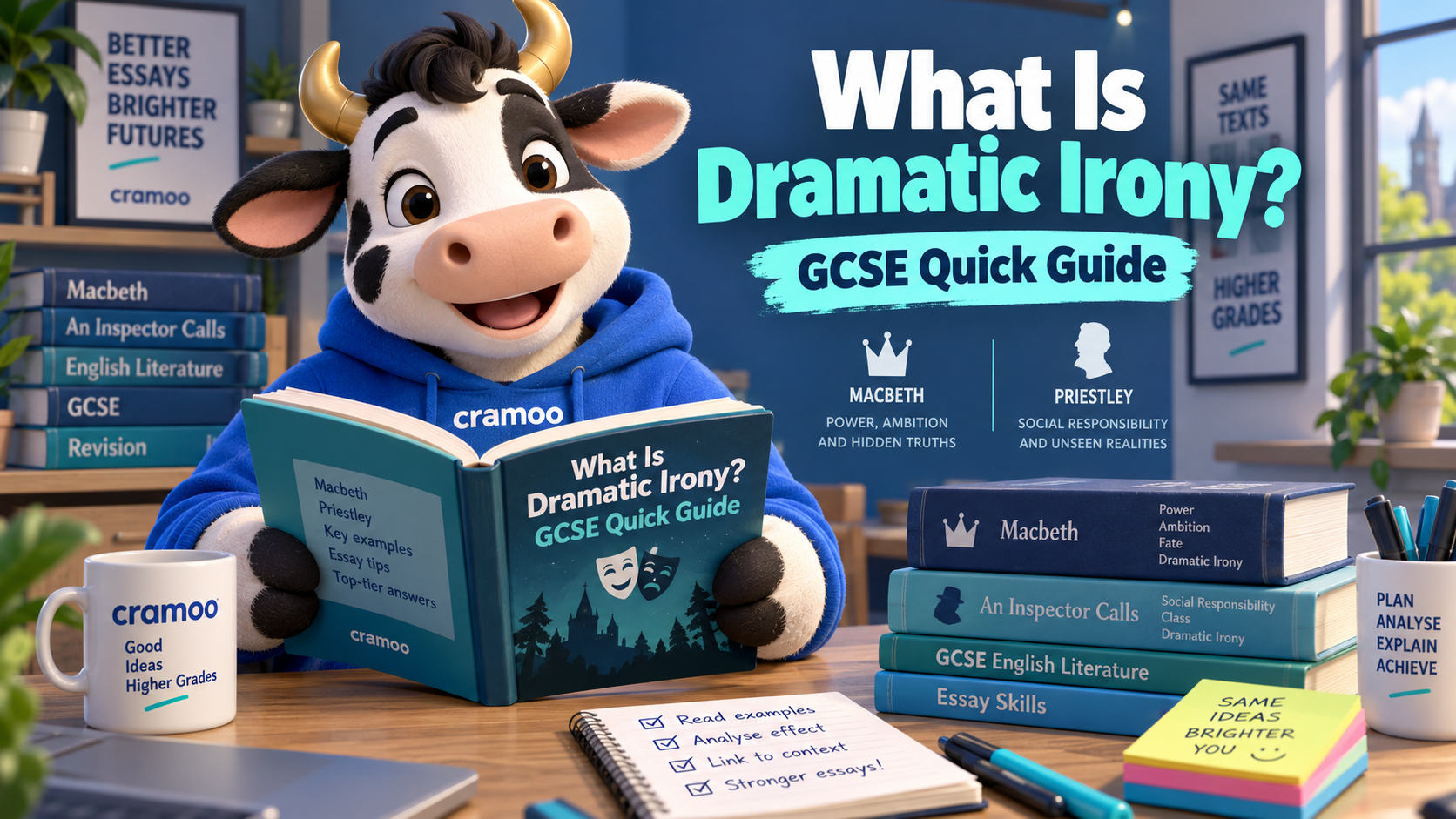
What Is Dramatic Irony? GCSE Quick Guide
A quick-reference guide to dramatic irony for GCSE English Literature, featuring examples from Macbeth and Priestley to help you write top-tier essays.
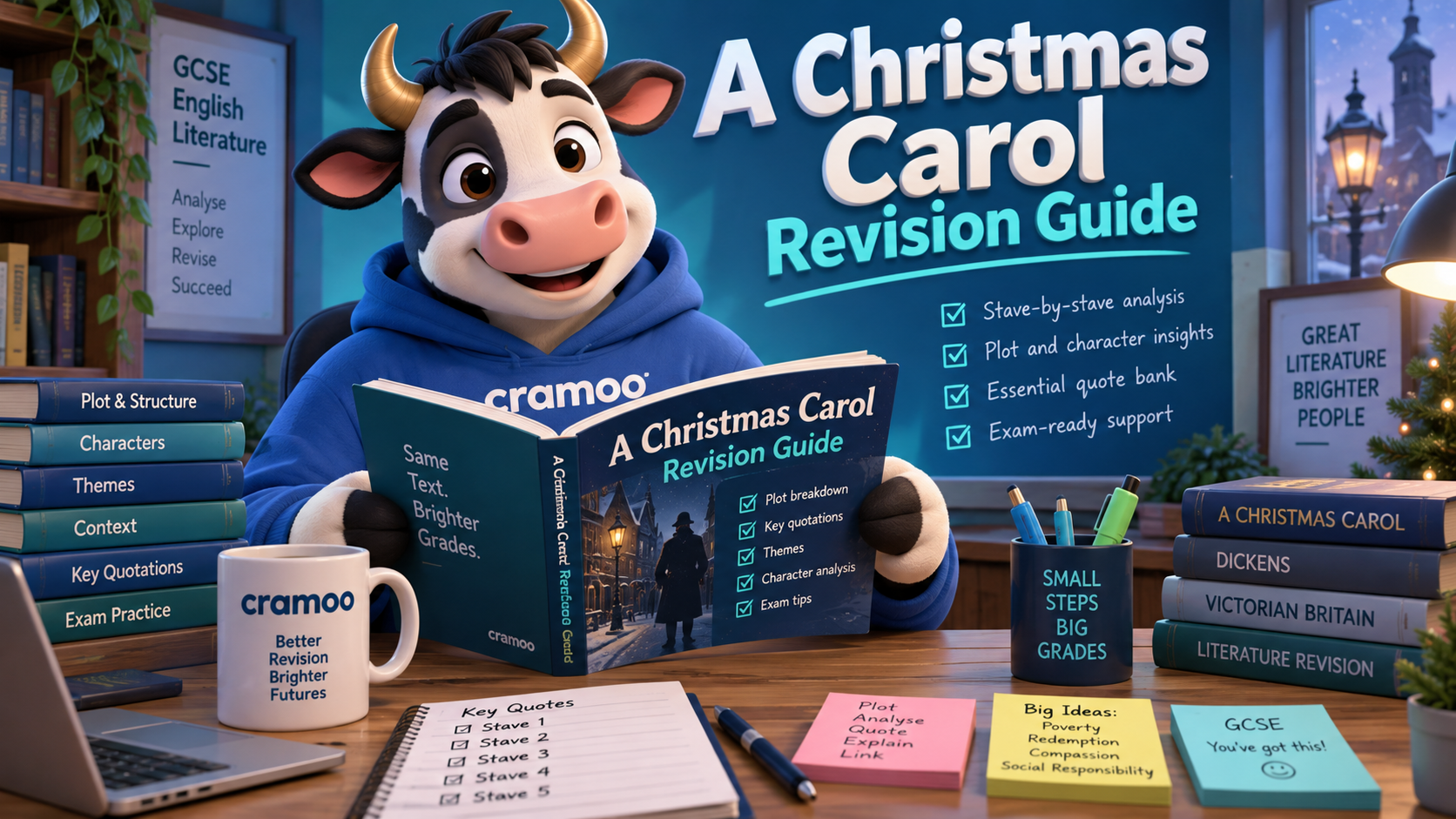
A Christmas Carol Revision Guide
A comprehensive stave-by-stave breakdown of A Christmas Carol for GCSE English Literature students, including plot analysis and a dedicated quote bank.