
GCSE Explained
Free guides to grading, timelines, exam boards and revision for GCSE students.
The Complete GCSE Revision Guide
Revision is not just about reading textbooks. This guide covers how to use active recall, past papers, and effective planning to ace your GCSE exams.
GCSE Revision Timetable
A GCSE revision timetable is more than just a calendar. It is a strategic plan that ensures you cover every topic before exam day while staying balanced and stress-free.
How to Revise for GCSE Exams
Learn how to revise for GCSE exams using evidence-based techniques like active recall and spaced repetition to improve memory retention and boost your grades.
How Much Should You Revise for GCSEs?
Most teachers suggest 2 to 3 hours of revision per day during the exam season, but the right amount depends on your goals and how early you start your preparation.
How GCSEs Are Marked
GCSE exams are marked by trained examiners using strict mark schemes and a process called awarding to ensure every student receives a fair and accurate grade.
GCSE Exam Boards Explained
A complete guide to the main GCSE exam boards in the UK, including AQA, OCR, and Edexcel, explaining their differences and how to find the right past papers.
GCSE Grade Boundaries Explained
Understand how GCSE grade boundaries work, why they change every year, and how to use past boundaries to track your progress and aim for a Grade 9.
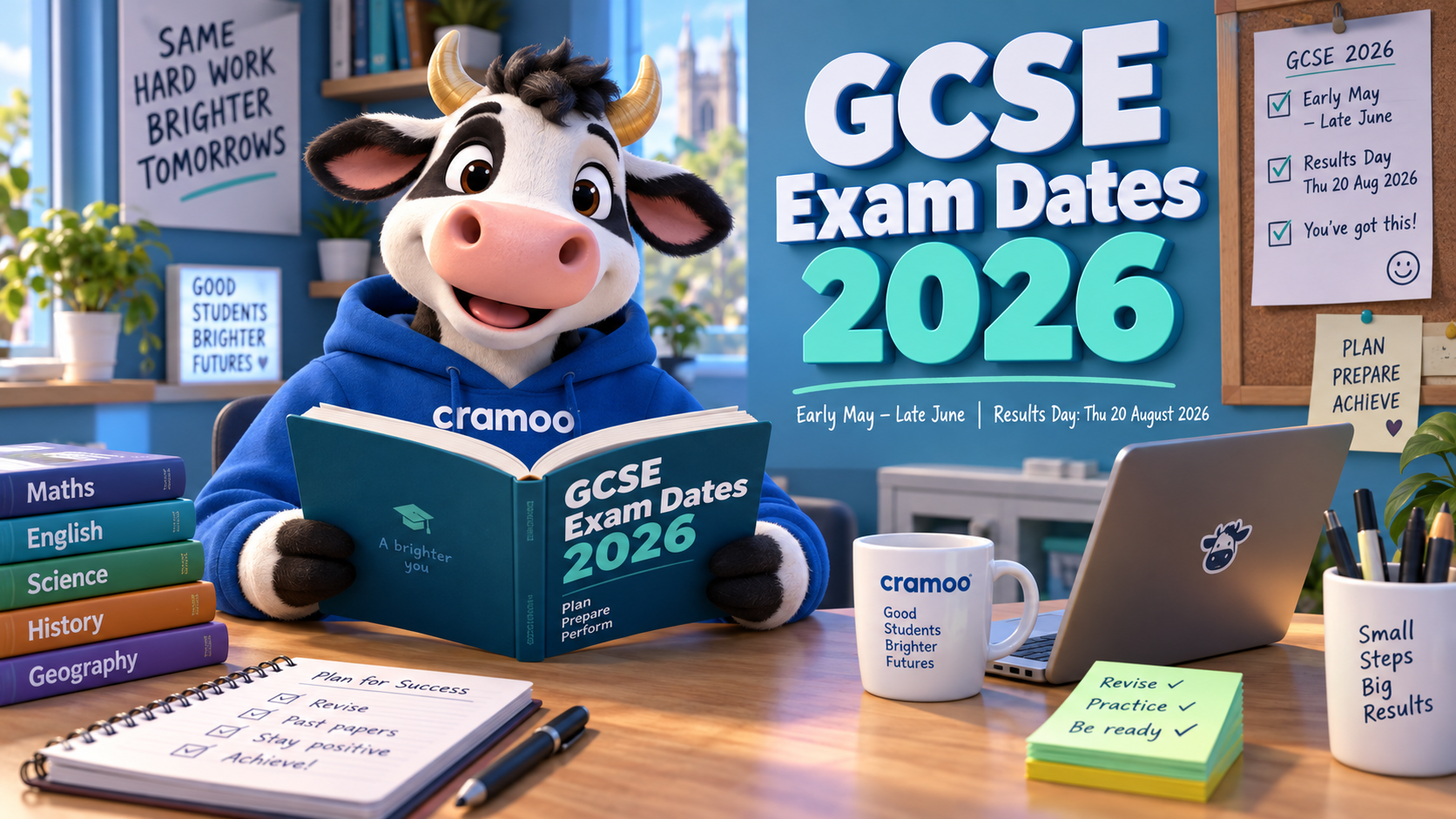
GCSE Exam Dates 2026
GCSE exams in 2026 are expected to start in early May and run until late June, with Results Day falling on Thursday 20 August 2026.
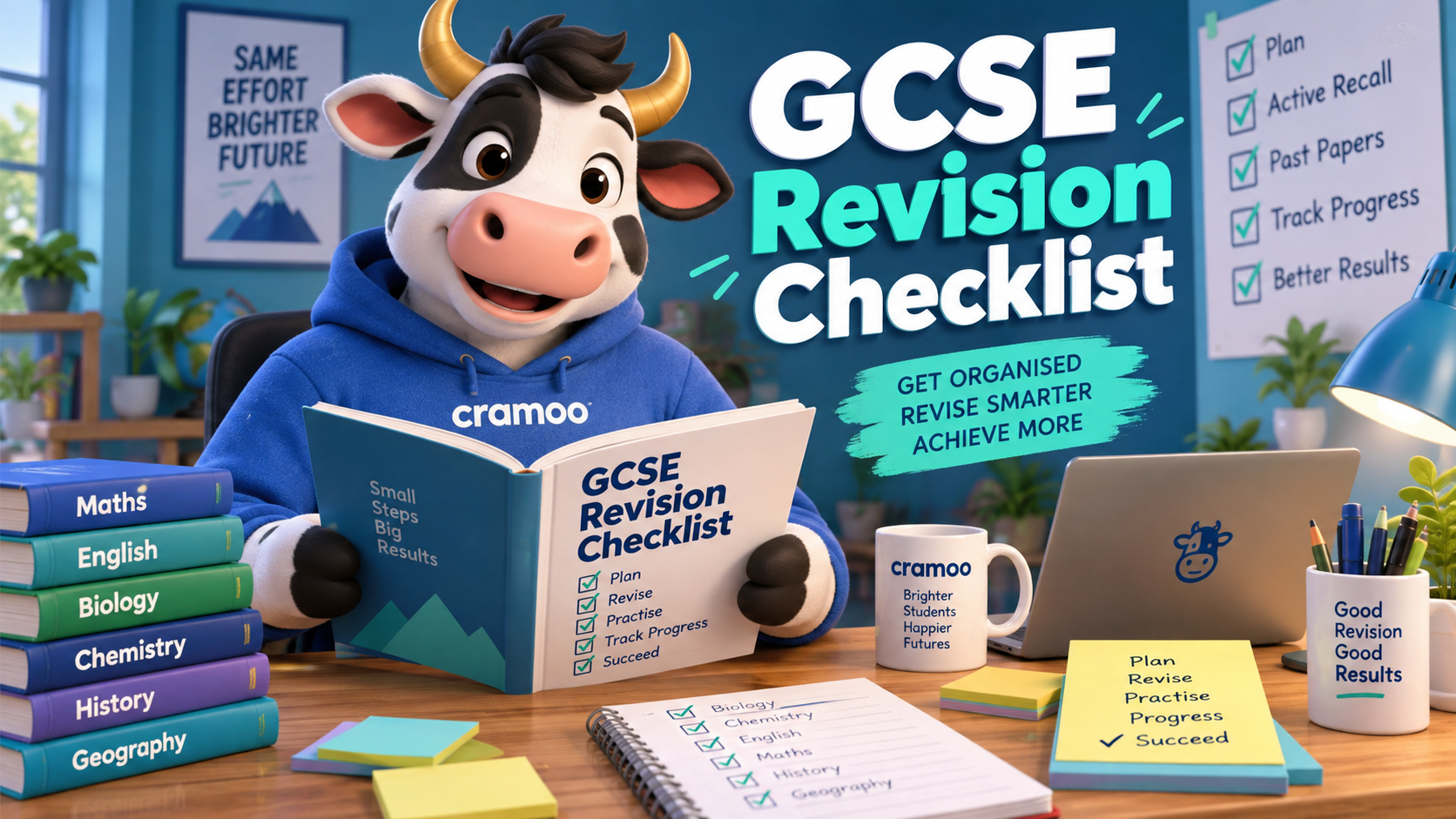
GCSE Revision Checklist
A master GCSE revision checklist is essential for staying organised. Learn how to break down your subjects, track your progress, and use active recall effectively.